The Breakdown of Each Learning Philosophy Used in Daycares
 Jackson GivsMay 7, 2025
The Breakdown of Each Learning Philosophy Used in Daycares
Choosing the right daycare for your child is a significant decision, and understanding the various learning philosophies that daycares may implement can help you make a more informed choice. Each philosophy offers unique approaches to early childhood education, focusing on different aspects of a child's development. Here’s a breakdown of the most common learning philosophies found in daycare settings:
1. Montessori
The Montessori philosophy emphasizes independence, self-directed learning, and hands-on activities. Classrooms are designed to promote exploration and discovery, with children engaging in tasks at their own pace. Teachers act as guides rather than direct instructors, allowing children to develop autonomy and problem-solving skills. Montessori environments typically use specialized materials that foster sensory development and practical life skills.
Key Focus: Individual learning, self-discipline, practical life skills.
Best For: Independent learners who thrive in structured but self-directed settings.
2. Reggio Emilia
The Reggio Emilia approach centers around project-based learning, collaboration, and self-expression. Children are viewed as capable, curious learners who co-create the curriculum alongside teachers. Art, nature, and group projects are often used to encourage creativity and communication. Documentation of the child’s work is a central aspect, allowing both children and parents to reflect on learning progress.
Key Focus: Collaboration, exploration, and expressive arts.
Best For: Creative learners who enjoy group projects and interactive learning experiences.
3. Waldorf
Waldorf education emphasizes imagination, creativity, and a holistic approach to learning. The philosophy encourages hands-on play, storytelling, arts, and nature exploration. Structured academics are introduced gradually, allowing children to develop at their own pace. Waldorf classrooms often avoid the use of technology and prioritize natural materials.
Key Focus: Imagination, sensory experiences, and artistic expression.
Best For: Families seeking a slower-paced, nature-oriented learning environment.
4. HighScope
The HighScope method is rooted in active learning and structured routines. It uses a “plan-do-review” cycle, encouraging children to set goals, engage in activities, and reflect on their experiences. The approach promotes cognitive, social, and emotional development through purposeful play and guided instruction.
Key Focus: Structured learning, goal-setting, and reflection.
Best For: Children who benefit from predictable routines and goal-oriented activities.
5. Play-Based
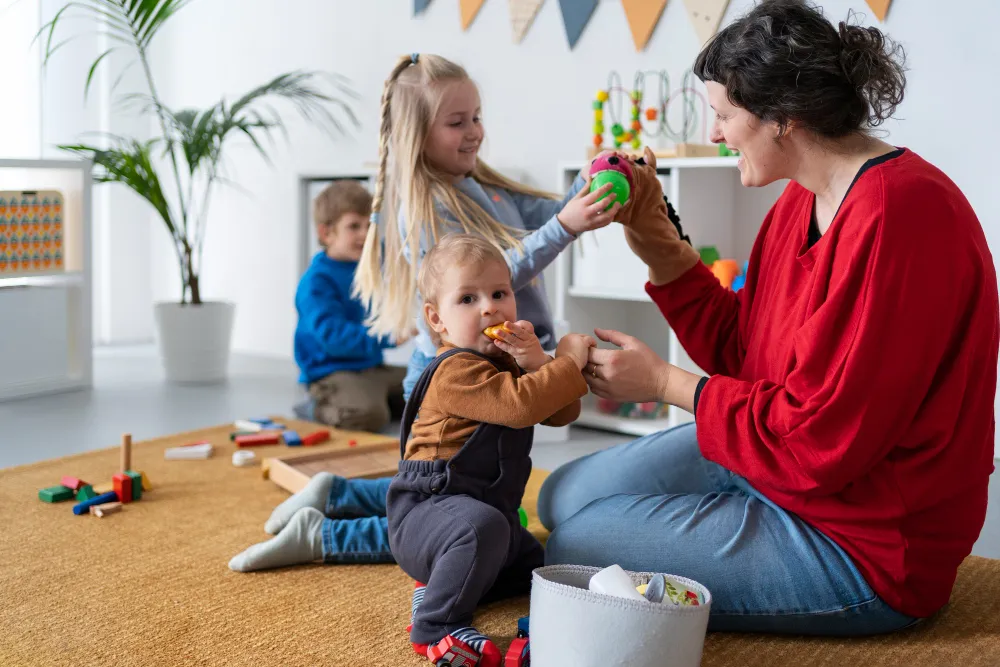
Play-based learning focuses on child-led exploration, with play serving as the primary mode of learning. Teachers create engaging environments that encourage children to develop social skills, problem-solving abilities, and motor coordination. While academics are not the primary focus, children learn foundational concepts through guided play and exploration.
Key Focus: Social-emotional development, creativity, and free play.
Best For: Young children who thrive in unstructured, imaginative play settings.
6. Academic-Focused
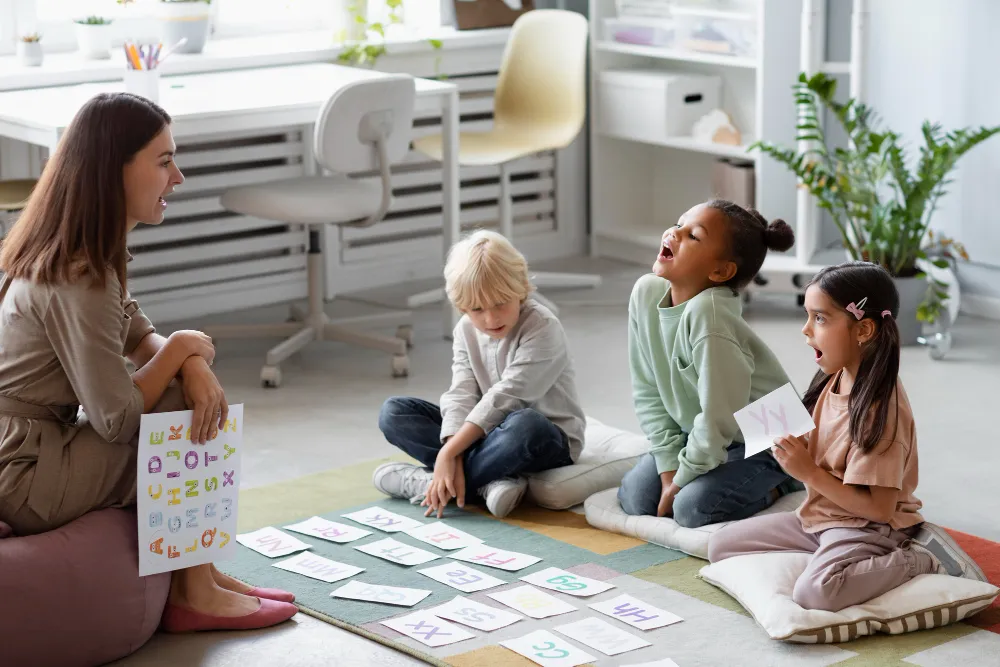
Academic-focused programs introduce early literacy, math, and science concepts through structured lessons and teacher-led activities. These programs are designed to prepare children for the academic demands of kindergarten and beyond. While still incorporating play, the emphasis is on educational outcomes and skill mastery.
Key Focus: Early academics, structured learning, and skill development.
Best For: Children who enjoy structured activities and are preparing for formal schooling.
Choosing the Right Philosophy for Your Child
Understanding these learning philosophies can help you determine which daycare program aligns best with your child’s personality, interests, and developmental stage. When researching daycares, ask about the program’s curriculum, teaching methods, and daily schedule to ensure that the approach supports your child’s unique needs.
Sign up for more tips at ZuKeepr