
What Is Scaffolding in Child Development? A Guide for Parents and Childcare Providers
 Jackson GivsJuly 28, 2025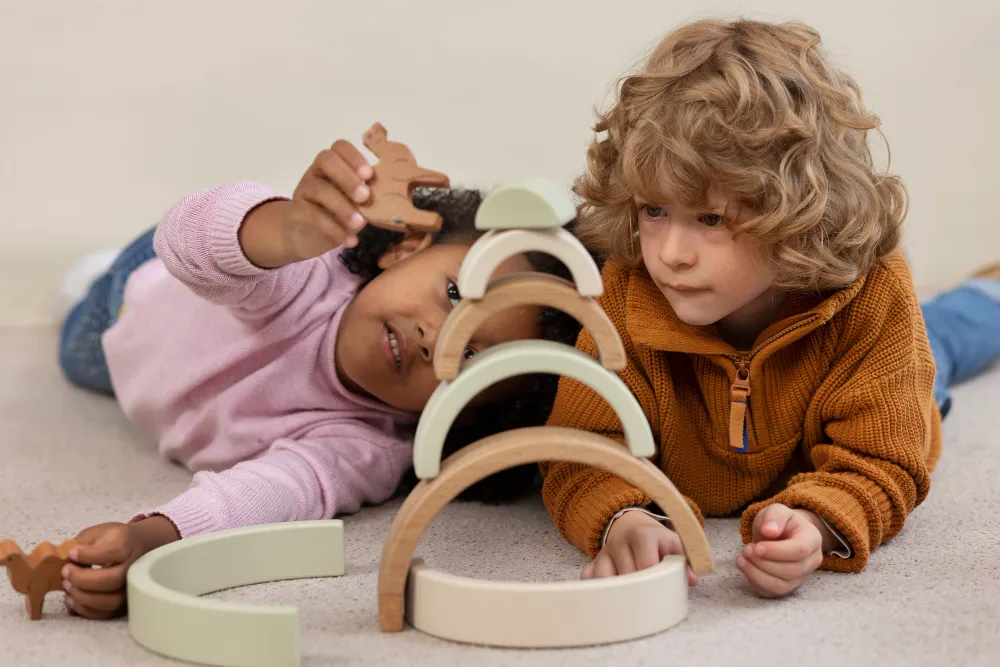
What Is Scaffolding in Child Development? A Guide for Parents and Childcare Providers
Supporting a child’s growth means more than just keeping them safe and entertained—it’s about actively guiding them as they learn. One of the most important methods in early education is called scaffolding in child development.
At ZuKeepr, we believe every childcare provider and parent should understand this powerful strategy. So, what exactly is scaffolding—and how can it be used to promote healthy, confident learning?
What Is Scaffolding in Child Development?
Scaffolding refers to a teaching method where an adult provides just the right level of support to help a child learn a new concept or skill. As the child becomes more competent, the adult gradually reduces that support, encouraging independence.
Think of a building scaffold—temporary support structures used during construction. In child development, scaffolding is the emotional, cognitive, or physical support adults give to children until they can complete a task or understand an idea on their own.
Key Features of Scaffolding
Here’s what makes scaffolding effective in early childhood education:
-
Guided Assistance: Offering help step by step while encouraging the child to try on their own.
-
Prompting and Questioning: Asking open-ended questions to guide thought.
-
Encouragement: Offering praise and reassurance to build confidence.
-
Gradual Withdrawal: Slowly stepping back as the child shows more understanding.
Real-Life Examples of Scaffolding
Example 1: Learning to Tie Shoes
A provider shows a child how to loop one lace and guides their hand. Over time, they step back and let the child try more of the process alone.
Example 2: Story Time Questions
While reading, the adult pauses and asks, “What do you think will happen next?”—encouraging the child to predict based on the story so far.
Example 3: Building with Blocks
An adult might show how to stack two blocks steadily, then let the child figure out how to continue building upward.
Why Is Scaffolding Important in Daycare and Preschool Settings?
Scaffolding supports key areas of development:
-
Cognitive growth through problem-solving and memory
-
Language development through guided conversations
-
Emotional security as children know they’re supported
-
Confidence and independence as they succeed on their own
Using scaffolding regularly makes early childhood education more responsive and individualized, something both parents and licensing agencies value.
How Childcare Providers Can Use Scaffolding
-
Observe First: Notice what a child can do independently and where they struggle.
-
Model Behavior: Show how to complete a task step by step.
-
Ask Questions: Use “how” and “why” prompts to spark thinking.
-
Encourage and Step Back: Give praise, then gradually reduce help.
Tools like ZuKeepr can also help track children’s progress and development across milestones, ensuring scaffolding is used effectively at each level.
Scaffolding vs. Direct Instruction
| Scaffolding | Direct Instruction |
|---|---|
| Child-centered | Teacher-centered |
| Dynamic, adaptive | One-size-fits-all |
| Encourages discovery | Gives answers directly |
| Builds confidence | Focuses on mastery |
While direct instruction has its place (especially for safety or rules), scaffolding supports deeper, long-term learning.
FAQ: Understanding Scaffolding
View More in Our FAQ
Q: Is scaffolding the same as helping?
A: Not quite. Helping can mean doing the task for the child. Scaffolding means offering just enough support so the child can complete the task themselves.
Q: At what age does scaffolding start?
A: Scaffolding can begin as early as infancy, especially with language and motor skills, and continues through school age.
Q: How does scaffolding work in group settings?
A: Educators can scaffold small groups by offering support that addresses common needs while still observing individual progress.
Final Thoughts
Understanding scaffolding in child development empowers childcare providers and parents to support children in the most impactful way—by guiding them toward independence. Whether helping a child learn to speak, read, solve puzzles, or make friends, scaffolding turns everyday moments into learning opportunities.
Want to make it easier to track developmental milestones and lesson planning? ZuKeepr is a free childcare management app designed to help providers stay organized while putting children’s growth first.